
Step into the realm of Sexual Consent Awareness where communication is key, consent comes in various forms, and the impact of awareness is far-reaching. Get ready for an enlightening journey!
As we delve deeper, we uncover the nuances of consent, explore advocacy strategies, and navigate through different cultural contexts, shedding light on the evolving landscape of societal attitudes towards sexuality.
Understanding Sexual Consent Awareness
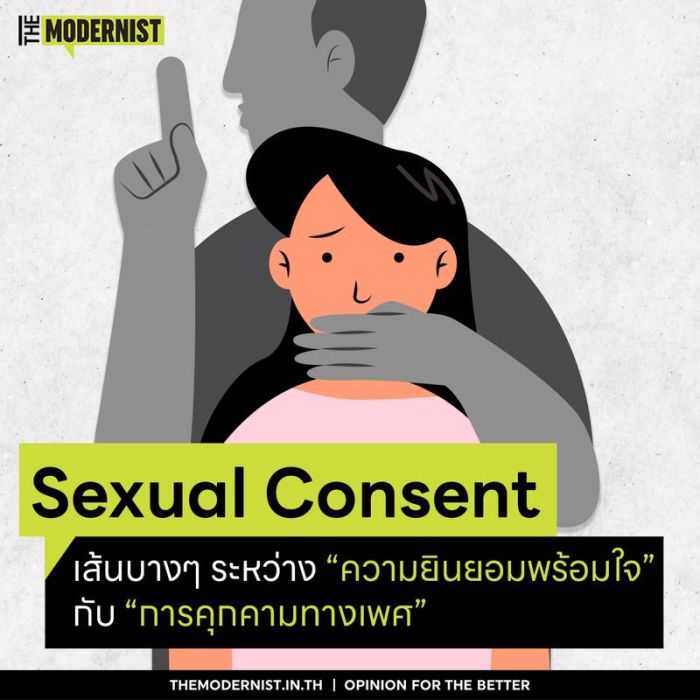
In intimate relationships, sexual consent plays a crucial role in ensuring that all parties involved are comfortable and respected. It is the voluntary agreement to engage in sexual activity with another person.
The Importance of Sexual Consent
Obtaining and giving consent is essential to establishing boundaries and ensuring that all parties are on the same page regarding the nature of the interaction. It fosters mutual respect and understanding between partners.
- Verbal Consent: Explicitly stating agreement to engage in sexual activity verbally.
- Non-verbal Consent: Communicating consent through body language, such as nodding or actively participating in the interaction.
- Enthusiastic Consent: Demonstrating eagerness and willingness to engage in sexual activity.
Impact of Lack of Consent
The absence of consent can have severe consequences, both on individuals and society as a whole. It can lead to emotional trauma, physical harm, and damage to relationships. Additionally, it perpetuates a culture of disrespect and disregard for personal boundaries.
Consent is not just the absence of a ‘no,’ but the presence of a clear and enthusiastic ‘yes’.
Education and Advocacy
Education and advocacy play crucial roles in promoting sexual consent awareness in schools, communities, and online platforms. By equipping individuals with knowledge about consent and empowering them to advocate for respectful relationships, we can create a culture of consent and mutual respect.
Promoting Sexual Consent Awareness
One effective way to promote sexual consent awareness in schools is by incorporating comprehensive sex education programs that include discussions on healthy relationships, boundaries, and consent. Community organizations can host workshops, seminars, and events to raise awareness and educate the public about the importance of consent. Online platforms can utilize social media campaigns, webinars, and interactive resources to engage a wider audience and spread awareness about sexual consent.
Successful Awareness Campaigns
- The “Yes Means Yes” campaign, emphasizing affirmative consent, has been successful in shifting the conversation around consent to focus on active, enthusiastic agreement.
- The “It’s On Us” campaign in the United States has mobilized college students to take a stand against sexual assault and promote a culture of consent on campuses.
Role of Advocacy Groups
Advocacy groups play a vital role in educating the public about consent by providing resources, support, and advocacy for survivors of sexual violence. These groups work to challenge harmful attitudes, policies, and practices that perpetuate a culture of non-consent.
Teaching Sexual Consent in Different Cultures
Approaches to teaching sexual consent may vary across different cultures based on societal norms, values, and beliefs. While some cultures may have more conservative views on sexuality and consent, others may prioritize open communication, respect for boundaries, and gender equality in relationships. It is essential to consider cultural nuances and tailor educational initiatives to be culturally sensitive and inclusive.
Consent in Different Contexts
In various contexts, such as casual dating, long-term relationships, hookups, and marriage, understanding and navigating sexual consent is crucial. Consent is not only about saying “yes” or “no” but also about communication, respect, and boundaries.
Casual Dating
- Consent in casual dating involves clear communication and mutual agreement before engaging in any sexual activity.
- It is essential to respect each other’s boundaries and be aware of non-verbal cues to ensure both parties are comfortable.
- Consent can be revoked at any time, and it is important to acknowledge and respect that decision.
Long-Term Relationships
- In long-term relationships, ongoing communication about consent is key to maintaining a healthy and respectful dynamic.
- Consent in this context may involve exploring new boundaries and preferences as the relationship evolves.
- Mutual trust and understanding play a significant role in navigating consent in long-term relationships.
Hookups
- Consent in hookups requires clear communication about intentions and boundaries from the outset.
- Both parties should feel empowered to express their desires and limits without fear of judgment or repercussion.
- Understanding and respecting each other’s boundaries is crucial in ensuring a positive and consensual experience.
Marriage
- In marriage, consent is an ongoing conversation that involves mutual respect, trust, and understanding.
- Both partners should feel comfortable discussing their needs and desires openly and honestly.
- Consent in marriage includes respecting each other’s autonomy and being mindful of power dynamics within the relationship.
Intersection with Power Dynamics, Gender Roles, and Cultural Norms
- Power dynamics, gender roles, and cultural norms can influence how consent is perceived and communicated in different contexts.
- It is essential to be mindful of these factors and ensure that consent is given freely and without coercion.
- Challenging traditional norms and stereotypes can help create a more inclusive and respectful environment for navigating consent.
Legal Aspects of Sexual Consent
- The legal aspects of sexual consent vary from country to country, with different laws and definitions governing what constitutes consensual sexual activity.
- Understanding the legal framework around consent is crucial for ensuring accountability and protection for all individuals involved.
- Legal ramifications for non-consensual sexual activity can have serious consequences, underscoring the importance of clear communication and mutual agreement.
Personal Stories and Anecdotes
- Personal experiences navigating consent in different situations can provide valuable insights and perspectives on the complexities of sexual interactions.
- Sharing stories of successful communication, misunderstandings, or challenges can help promote a culture of consent and respect.
- Listening to and learning from others’ experiences can enhance our understanding of consent and empower individuals to navigate these conversations effectively.
Society, Sexuality, and Dating
In today’s society, perceptions of consent in relationships are heavily influenced by societal norms and media portrayals. The way sex is depicted in movies, TV shows, and music often shapes how individuals view consent and boundaries in romantic interactions.
Influence of Societal Norms and Media
- Societal norms often perpetuate stereotypes about gender roles and the expectations surrounding sexual encounters. These norms can create confusion and miscommunication when it comes to understanding and respecting consent.
- Media representations of romance and intimacy can sometimes blur the lines between consensual and non-consensual behavior, leading to misconceptions about what constitutes a healthy relationship.
- Portrayals of sexual violence in the media can desensitize viewers to the importance of consent and contribute to a culture where sexual assault is trivialized or normalized.
Societal Attitudes Towards Sex and Consent Conversations
- Societal attitudes towards sex can impact how open and honest conversations around consent are. In cultures where sex is taboo or stigmatized, individuals may find it challenging to discuss boundaries and expectations with their partners.
- Shifting societal attitudes towards sex, such as the destigmatization of premarital sex and LGBTQ+ relationships, have led to more inclusive and diverse conversations around consent and sexual boundaries.
- Education and advocacy efforts have played a crucial role in changing societal attitudes towards sex and promoting a culture of enthusiastic consent and respect for all individuals’ autonomy.
Connection Between Sexual Consent Awareness and the #MeToo Movement
- The #MeToo movement has brought increased awareness to issues of sexual harassment, assault, and consent. It has empowered individuals to speak out against non-consensual behavior and hold perpetrators accountable for their actions.
- Sexual consent awareness has been a central focus of the #MeToo movement, highlighting the importance of clear communication, respect for boundaries, and the need for affirmative consent in all sexual interactions.
- The movement has sparked important conversations about power dynamics, coercion, and the impact of societal norms on individuals’ ability to freely give or withhold consent in relationships.
Evolution of Dating Culture in the Context of Consent Awareness
- With the rise of sexual consent awareness, dating culture has undergone significant changes. There is a greater emphasis on communication, respect, and mutual understanding of boundaries in romantic relationships.
- Dating apps and online platforms have introduced new ways for individuals to discuss and negotiate consent before meeting in person, fostering a culture of transparency and accountability.
- Consent workshops, educational programs, and awareness campaigns have become more prevalent in schools, universities, and community organizations, helping to promote a culture of consent and respect in dating and intimate relationships.
Closing Summary
From dissecting societal norms to understanding legal aspects, this discussion on Sexual Consent Awareness has unveiled a multifaceted tapestry that demands attention, education, and advocacy for a more informed and respectful society.
Questions and Answers
What are some examples of successful awareness campaigns related to sexual consent?
Some successful campaigns include “Consent is Everything” and “No Means No.” These campaigns use creative strategies to spread awareness and promote respectful behavior.
How does societal attitudes towards sex influence conversations around consent?
Societal attitudes play a significant role in shaping how consent is perceived and discussed. Open conversations and education can help challenge harmful beliefs and promote a culture of consent.
What is the role of advocacy groups in educating the public about consent?
Advocacy groups play a crucial role in raising awareness, providing resources, and advocating for policies that support consent education. They often work to dismantle harmful stereotypes and promote healthy relationships.


