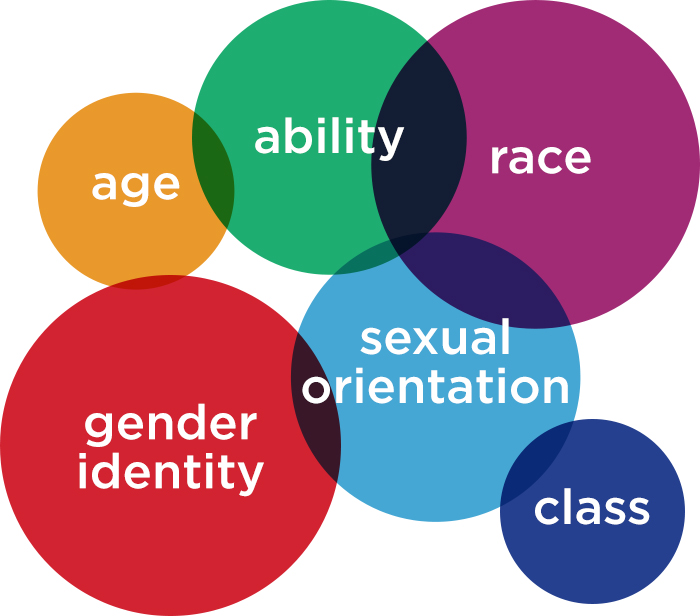
Dive into the intriguing realm of Intersectionality and Sexuality, where identities intertwine with desires in a complex dance of privilege and oppression. Get ready for a journey that will challenge your perceptions and spark thought-provoking conversations!
As we unravel the layers of intersectionality and its impact on sexuality, prepare to explore a world where societal norms, relationships, and dating dynamics are shaped by a mosaic of identities.
Intersectionality and Sexuality
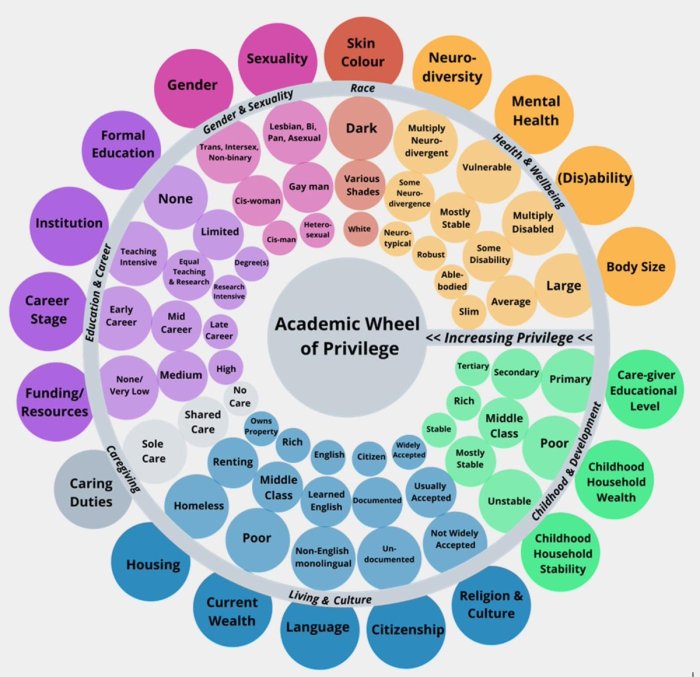
Intersectionality refers to the interconnected nature of social categorizations such as race, class, and gender, as they apply to an individual or group. When it comes to sexuality, intersectionality plays a crucial role in understanding how different aspects of identity intersect and influence one’s experiences and perspectives.
Relevance of Intersectionality to Sexuality
Intersectionality is relevant to sexuality as it highlights the complexity and diversity of human experiences. It recognizes that individuals can face multiple forms of discrimination and privilege based on various aspects of their identity, such as race, gender, sexual orientation, and socio-economic status. This intersectional approach helps us understand how these factors interact to shape one’s sexual identity, relationships, and experiences.
- Intersectionality helps us acknowledge the unique challenges faced by individuals who belong to marginalized groups, such as LGBTQ+ people of color or transgender individuals from low-income backgrounds.
- It emphasizes the importance of considering the intersections of oppression and privilege that impact an individual’s access to resources, opportunities, and rights in relation to their sexuality.
- By recognizing the complexity of identity and the interconnected nature of social systems, intersectionality encourages a more inclusive and holistic approach to addressing issues related to sexuality and social justice.
Privilege and Oppression in Intersectionality and Sexuality
Intersectionality also sheds light on how privilege and oppression operate within the context of sexuality. Privilege refers to the advantages and benefits that individuals receive based on their social identities, while oppression involves the systemic mistreatment and discrimination faced by marginalized groups.
Intersectionality helps us understand how individuals may experience both privilege and oppression simultaneously, depending on the intersections of their identities.
- For example, a cisgender heterosexual white man may experience privilege in society due to his gender, sexual orientation, and race, while a queer person of color may face oppression based on their sexual orientation and race.
- By examining how different forms of privilege and oppression intersect with sexuality, we can better address inequalities, advocate for social change, and promote inclusivity within diverse communities.
Impact on Society
Intersectionality and sexuality play a crucial role in shaping societal norms, perceptions, and challenges faced by marginalized groups in expressing their sexuality.
Influence on Societal Norms
Intersectionality and sexuality have a significant impact on shaping societal norms by challenging traditional views and promoting inclusivity.
- Intersectionality highlights the interconnected nature of various social identities, influencing how individuals perceive and interact with one another.
- Sexuality, when considered within an intersectional framework, exposes disparities in power dynamics and discrimination based on factors such as race, gender, and class.
- This intersectional approach encourages society to recognize and address the diversity of experiences and challenges faced by different individuals.
Perception of Sexuality in Different Cultures
Intersectionality plays a crucial role in shaping how sexuality is perceived in different cultures, reflecting varying beliefs, norms, and values.
- Cultural norms and values influence the way individuals express their sexuality, with intersectionality highlighting the impact of factors such as religion, tradition, and social expectations.
- Intersectionality underscores the need to respect diverse cultural perspectives on sexuality while challenging harmful stereotypes and prejudices.
- Different cultures may have unique approaches to understanding and accepting diverse sexual identities, shaped by historical, social, and political contexts.
Challenges Faced by Marginalized Groups
Marginalized groups often face unique challenges in expressing their sexuality due to the intersecting factors of discrimination, stigma, and societal barriers.
- Intersectionality exposes how marginalized groups, such as LGBTQ+ individuals, people of color, and individuals with disabilities, experience compounded forms of discrimination and exclusion.
- Social norms and expectations can limit the ability of marginalized groups to freely express their sexuality, leading to feelings of shame, invisibility, and erasure.
- Intersectionality calls attention to the need for inclusive spaces, policies, and support systems that empower marginalized groups to embrace their sexuality and advocate for their rights.
Relationships and Dating
Intersectionality plays a significant role in shaping relationships and dating dynamics. It influences how individuals perceive and interact with others based on their various intersecting identities.
Influence on Attraction and Preferences
Intersectionality impacts attraction and preferences in dating by shaping individuals’ views on what they find attractive or desirable in a partner. Factors such as race, gender, sexuality, and socio-economic status can all intersect to influence who someone is drawn to romantically.
Societal Norms and Dating Experiences
Societal norms influenced by intersectionality can impact dating experiences in various ways. For example, individuals belonging to marginalized groups may face discrimination or stereotyping in the dating world due to societal biases rooted in intersecting identities.
Final Review
As we conclude our exploration of Intersectionality and Sexuality, we are reminded of the intricate ways in which different aspects of identity intersect with our understanding of desire. Let’s continue to unravel these complexities and strive for a more inclusive and understanding society.
Q&A
How does intersectionality influence societal norms?
Intersectionality shapes societal norms by highlighting how different identities intersect and contribute to the construction of cultural expectations and behaviors.
What role does privilege play in the intersection of identity and sexuality?
Privilege can impact how individuals experience and express their sexuality within the framework of intersectionality, often leading to disparities in societal acceptance and opportunities.
How does intersectionality impact dating preferences?
Intersectionality influences dating preferences by shaping individual attractions and desires through the lens of intersecting identities, cultural norms, and societal expectations.


