
Step into the future of sexual education in schools with our in-depth look at the changes and advancements set to revolutionize the way students learn about relationships, consent, and more by 2025. Get ready for an eye-opening journey!
Overview of Sexual Education in Schools 2025
In 2025, sexual education in schools is evolving to meet the changing needs of students in a modern society. With the rise of technology and social media, students are exposed to a wealth of information about sex and relationships, making it crucial for schools to provide accurate and comprehensive sexual education.
Key Components of Sexual Education Curriculum
- Comprehensive information on reproductive health, contraception, and sexually transmitted infections (STIs).
- Healthy relationship dynamics, consent, and communication skills.
- Inclusive education that addresses diverse sexual orientations and gender identities.
- Understanding of boundaries, respect, and the importance of consent in all relationships.
Importance of Updating Sexual Education Programs
It is essential to update sexual education programs to ensure that students are equipped with the knowledge and skills needed to make informed decisions about their sexual health and relationships. By incorporating current information and addressing emerging issues, schools can empower students to navigate the complexities of sexuality in a responsible and respectful manner.
Implementation of Comprehensive Sexual Education
Implementing comprehensive sexual education in schools by 2025 requires a multi-faceted approach involving teachers, parents, and policymakers. Each plays a crucial role in promoting a safe and inclusive environment for students to learn about sexual health and relationships.
Role of Teachers
Teachers are at the frontline of delivering sexual education in schools. They need to be equipped with proper training, resources, and support to address sensitive topics effectively. By creating a safe space for open discussions, teachers can help students develop a healthy understanding of sexuality.
Role of Parents
Parents play a significant role in complementing the sexual education curriculum taught in schools. It is essential for parents to engage in conversations about sexual health at home, providing additional support and guidance to their children. Open communication between parents and children can reinforce the lessons learned in school.
Role of Policymakers
Policymakers have the responsibility to ensure that comprehensive sexual education is integrated into school curriculums effectively. By setting guidelines and standards for sexual education programs, policymakers can ensure that students receive accurate and age-appropriate information. Advocating for inclusive and comprehensive sexual education policies is crucial for the well-being of students.
Integration of Technology in Sexual Education
Technology has the potential to revolutionize sexual education in schools by 2025. From virtual reality experiences to online resources, the integration of technology can enhance the learning experience for students, making it more engaging and interactive.
Benefits of Incorporating Technology
- Increased engagement: Technology can make sexual education more interactive and engaging for students, keeping them more focused and interested in learning.
- Accessibility: Online resources can provide students with easy access to accurate and up-to-date information on sexual health and relationships.
- Confidentiality: Technology can allow students to explore sensitive topics in a private and discreet manner, reducing the stigma associated with discussing sexual health.
Challenges and Ethical Considerations
- Accuracy of information: Ensuring that the information provided through technology is accurate, unbiased, and age-appropriate can be a challenge.
- Data privacy: Protecting students’ personal information and ensuring their privacy when using technology in sexual education is crucial.
- Digital divide: Addressing disparities in access to technology among students to ensure that all students can benefit from technological resources.
Innovative Ways Technology Can Enhance Sexual Education
- Virtual reality simulations: Using virtual reality technology to create realistic scenarios that allow students to practice communication skills and decision-making in various sexual health situations.
- Interactive online platforms: Developing interactive online platforms that provide students with quizzes, games, and videos to reinforce learning and make it more engaging.
- Mobile apps: Introducing educational mobile apps that offer information on sexual health, contraception, consent, and healthy relationships in an easily accessible format.
Addressing Diversity and Inclusivity in Sexual Education
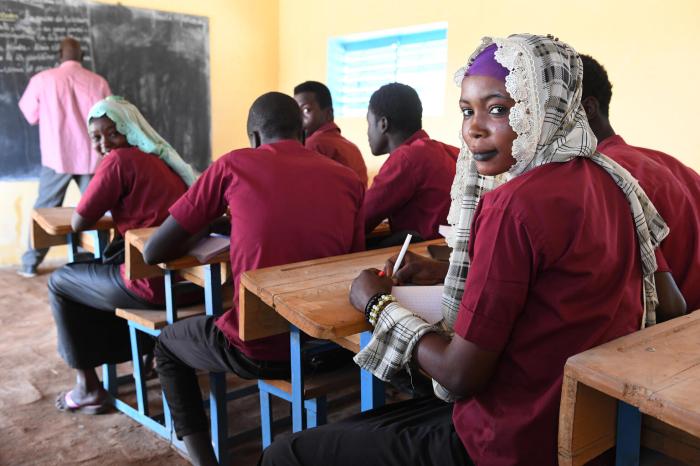
Creating inclusive sexual education programs is essential to ensure that all students, regardless of their identities, orientations, and backgrounds, receive comprehensive and relevant information about sexuality.
Importance of Addressing Cultural Differences
It is crucial to recognize and respect cultural differences in sexual education to ensure that the information provided is sensitive to diverse beliefs, practices, and values.
- Educators should undergo training to understand cultural nuances and incorporate culturally relevant examples and perspectives into the curriculum.
- Collaboration with community leaders and organizations can help bridge cultural gaps and ensure that sexual education is respectful and inclusive of all cultural backgrounds.
- Providing resources in multiple languages can help students from diverse linguistic backgrounds access information comfortably.
Strategies for Creating a Safe and Inclusive Environment
Establishing a safe and inclusive environment in sexual education classrooms is essential for students to feel comfortable discussing sensitive topics and asking questions without fear of judgment or discrimination.
- Implementing inclusive language and terminology that is respectful of all gender identities and sexual orientations.
- Encouraging open dialogue and creating a non-judgmental space where students feel empowered to express their thoughts and concerns.
- Addressing intersectionality by recognizing the overlapping identities and experiences that influence how individuals perceive and experience sexuality.
- Offering support services and resources for students who may require additional guidance or counseling related to their sexual health and well-being.
Society’s Impact on Sexual Education
In today’s society, attitudes towards sexuality play a significant role in shaping sexual education programs in schools. The influence of media, pop culture, and social norms can either support or hinder the development of comprehensive sexual education for students. Navigating through societal challenges and controversies is essential to ensure that students receive accurate and inclusive information about sexual health and relationships.
Role of Media and Pop Culture
Media and pop culture often portray unrealistic and sensationalized images of sex, relationships, and gender roles. These portrayals can create misconceptions and unrealistic expectations among students. In the context of sexual education, it is crucial to address these stereotypes and provide students with factual information that counters harmful narratives perpetuated by the media.
- Media literacy programs can be incorporated into sexual education curriculums to help students critically analyze and deconstruct media messages about sex and relationships.
- Collaborations with media outlets and influencers can be utilized to promote accurate and responsible representations of sexuality in the media.
- Teachers and educators can engage students in discussions about the influence of media on their perceptions of sex and relationships, encouraging them to question and challenge harmful stereotypes.
Social Norms and Controversies
Social norms and cultural beliefs regarding sexuality can impact the content and delivery of sexual education in schools. Addressing diversity and inclusivity in sexual education programs requires sensitivity to the cultural backgrounds and values of students and their families. Controversies surrounding topics such as LGBTQ+ inclusivity, contraception, and consent highlight the importance of engaging with stakeholders to ensure that sexual education remains relevant and effective.
- Consulting with community leaders, parents, and advocacy groups can help educators navigate sensitive topics and ensure that sexual education programs are inclusive and respectful of diverse perspectives.
- Professional development opportunities for teachers can enhance their cultural competence and ability to address challenging topics in sexual education with sensitivity and respect.
- Evaluating and updating sexual education curriculums regularly based on feedback from students, parents, and community members can help ensure that the content remains accurate, informative, and reflective of the evolving needs of students.
Evolution of Dating Culture in Society
In recent years, dating culture and relationships have undergone significant changes, influenced by various factors such as societal norms, technological advancements, and shifts in values.
Changes in Dating Culture and Relationships
Over the years leading up to 2025, dating culture has shifted from traditional norms of courtship and marriage towards more casual and fluid relationships. The rise of online dating apps and social media has made it easier for individuals to connect and interact, blurring the lines between dating, friendships, and casual hookups.
Factors Influencing Modern Dating Practices
- Technology: The advent of dating apps and social media platforms has revolutionized the way people meet and form relationships. This instant connectivity has led to a more fast-paced and disposable approach to dating.
- Changing gender roles: With the empowerment of women and the LGBTQ+ community, traditional gender roles in dating have evolved, leading to more diverse and inclusive relationship dynamics.
- Shift in values: The focus on individualism, personal growth, and self-expression has influenced dating preferences, with many prioritizing compatibility and shared interests over societal expectations.
Impact of Technology and Social Media on Dating Behavior
The pervasive use of technology and social media has had a profound impact on dating behavior and relationships. From the ease of swiping through potential matches to the pressure of curating a perfect online persona, individuals are navigating a complex landscape of virtual interactions and real-life connections. This digital age has both facilitated and complicated the process of forming meaningful relationships, posing challenges such as miscommunication, ghosting, and comparison culture.
Education and Awareness about Healthy Relationships
Teaching students about healthy relationships is crucial in shaping their interactions and behavior in society. By providing education and awareness on this topic, schools play a vital role in promoting positive relationship dynamics among students.
Teaching Consent, Boundaries, and Respect
It is essential to teach students about consent, boundaries, and respect in the context of relationships to ensure that they understand the importance of mutual agreement, personal space, and treating others with dignity.
- Educating students on the concept of consent involves teaching them that all parties involved must willingly agree to any form of physical or emotional interaction.
- Setting boundaries helps individuals establish and communicate their limits, fostering healthy communication and mutual respect in relationships.
- Instilling the value of respect in students encourages them to treat others with kindness, empathy, and consideration, creating a foundation for positive relationships.
Promoting Positive Relationship Dynamics
Schools play a crucial role in promoting positive relationship dynamics among students by providing guidance on healthy communication, conflict resolution, and emotional intelligence.
- Teaching effective communication skills helps students express their thoughts, feelings, and needs clearly, fostering understanding and empathy in relationships.
- Guiding students on conflict resolution strategies equips them with the tools to navigate disagreements constructively and reach mutually beneficial solutions.
- Developing emotional intelligence enables students to recognize and manage their emotions effectively, promoting self-awareness and empathy in their interactions with others.
Final Summary
As we wrap up our exploration of Sexual Education in Schools 2025, it’s clear that the landscape of education is evolving to create a more inclusive, informed, and empowered generation. The future is bright, and it starts with the knowledge we impart today.
Query Resolution
How will sexual education in schools change by 2025?
Sexual education will become more inclusive, comprehensive, and technologically advanced to meet the evolving needs of students.
What is the role of parents in promoting comprehensive sexual education?
Parents play a crucial role in supporting and reinforcing the lessons taught in schools, ensuring that students have a well-rounded understanding of sexual health and relationships.
Why is it important to address diversity in sexual education?
Addressing diversity ensures that all students, regardless of their background or orientation, feel seen, respected, and included in sexual education programs, promoting a more accepting and understanding society.


