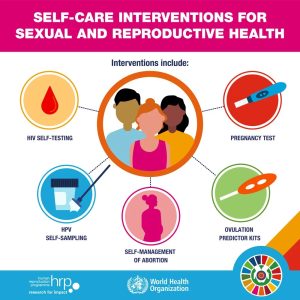
Step right up to explore the fascinating world of Reproductive Rights and Access! Get ready for an eye-opening journey filled with insights, challenges, and triumphs in the realm of sexual and reproductive health.
From navigating societal norms to unraveling the complexities of sexuality education, this topic delves into critical issues that impact individuals globally.
Reproductive Rights and Access
Reproductive rights encompass the rights of individuals to make informed decisions about their reproductive health, including the right to access reproductive healthcare services, contraception, and safe abortion.
Barriers to Reproductive Healthcare Access
- Lack of comprehensive sex education in schools leading to misinformation and lack of awareness.
- Financial barriers such as high costs of reproductive healthcare services and lack of insurance coverage.
- Stigma and discrimination surrounding reproductive health issues, especially related to abortion.
- Geographical barriers, particularly in rural areas where healthcare facilities are limited.
Importance of Comprehensive Sex Education
Comprehensive sex education plays a crucial role in ensuring reproductive rights by providing accurate information about sexual health, contraception, and consent. It empowers individuals to make informed decisions about their reproductive choices and protects them from unintended pregnancies and sexually transmitted infections.
Comparison of Reproductive Rights Landscape
| Country | Reproductive Rights Status |
|---|---|
| United States | Varies by state, with some states imposing restrictions on abortion access. |
| Sweden | Strong emphasis on reproductive rights, with comprehensive sex education and accessible healthcare services. |
| Argentina | Recently legalized abortion, marking a significant advancement in reproductive rights. |
| Nigeria | Challenges in reproductive rights due to cultural and religious beliefs, impacting access to contraception and safe abortion services. |
Society and Reproductive Rights
In society, norms and values play a significant role in shaping attitudes towards reproductive rights. These societal norms can either support or hinder individuals’ access to reproductive healthcare and decision-making.
Impact of Societal Norms
Societal norms often dictate what is considered acceptable behavior regarding reproductive rights. For example, in some cultures, there may be stigmas attached to seeking contraception or abortion services, leading individuals to face judgment or discrimination. These norms can limit individuals’ autonomy over their own bodies and choices.
- Societal norms can influence legislation surrounding reproductive rights, either promoting or restricting access to services.
- They can also impact the availability of comprehensive sex education in schools, which is crucial for informed decision-making.
- Stigma surrounding reproductive health issues can create barriers to seeking necessary care and support.
Intersectionality of Reproductive Rights
Reproductive rights intersect with various social issues such as gender equality, racial justice, and economic disparities. These intersections highlight the importance of addressing reproductive rights within a broader context of social justice and human rights.
- Gender inequality can limit access to reproductive healthcare services for marginalized groups, perpetuating disparities in healthcare outcomes.
- Racial disparities in healthcare can impact the quality of reproductive care individuals receive, leading to unequal treatment based on race or ethnicity.
- Economic barriers can prevent individuals from accessing essential reproductive health services, reinforcing inequalities in healthcare access.
Role of Advocacy Groups
Advocacy groups play a crucial role in advancing reproductive rights by raising awareness, advocating for policy changes, and providing support to individuals seeking reproductive healthcare. These groups work to combat stigma, promote education, and protect individuals’ rights to make informed decisions about their reproductive health.
- Advocacy groups work to influence legislation and policy changes that support reproductive rights, such as access to contraception and safe abortion services.
- They provide resources and support to individuals facing reproductive health challenges, ensuring they have the information and tools needed to make informed decisions.
- Advocacy groups engage in public awareness campaigns to destigmatize reproductive health issues and promote a culture of reproductive freedom and autonomy.
Historical Milestones
Throughout history, there have been significant milestones in the fight for reproductive rights, marking progress towards greater autonomy and access to reproductive healthcare for all individuals.
- The legalization of contraception in the United States in the 1960s marked a significant milestone in expanding individuals’ reproductive choices.
- The Roe v. Wade Supreme Court decision in 1973 affirmed the right to access safe and legal abortion, a crucial step towards reproductive freedom.
- The establishment of organizations like Planned Parenthood has been instrumental in providing essential reproductive healthcare services and advocacy for reproductive rights.
Sexuality and Reproductive Health
Sexuality education plays a crucial role in promoting reproductive health by providing individuals with the necessary knowledge and skills to make informed decisions about their sexual and reproductive lives.
Relationship between Sexuality Education and Reproductive Health
- Sexuality education equips individuals with information on contraception, sexually transmitted infections (STIs), and consent, leading to better reproductive health outcomes.
- It helps in reducing unintended pregnancies, unsafe abortions, and the spread of STIs by promoting responsible and healthy sexual behavior.
Impact of Stigma on Access to Sexual and Reproductive Healthcare
- Stigma surrounding issues related to sexuality and reproductive health can prevent individuals from seeking essential healthcare services.
- Stigmatization can lead to discrimination, barriers to access services, and poor health outcomes for marginalized populations.
Policies that Promote Sexual and Reproductive Health Rights
- The implementation of comprehensive sexuality education programs in schools to ensure young people have accurate information about sexual and reproductive health.
- Laws that protect the reproductive rights of individuals, including access to contraception, safe abortion services, and reproductive healthcare without discrimination.
- Funding initiatives that support sexual and reproductive health services, including family planning, STI testing, and counseling.
Influence of Cultural Beliefs on Attitudes towards Reproductive Health
- Cultural beliefs can shape attitudes towards reproductive health, influencing decisions on family planning, abortion, and sexual practices.
- Some cultures may stigmatize certain reproductive health services, leading to limited access and negative health outcomes for individuals.
Society, Dating, and Reproductive Rights

Dating norms play a significant role in shaping discussions around reproductive rights. In romantic relationships, the topic of reproductive rights becomes essential as it involves decisions about contraception, pregnancy, and family planning. It is crucial to understand how societal norms and expectations can impact individuals’ reproductive choices within the dating context.
Importance of Informed Consent in Sexual Relationships
Informed consent is a fundamental aspect of sexual relationships, especially when it comes to reproductive rights. It involves both partners freely agreeing to engage in sexual activities and making decisions regarding contraception, pregnancy, and STD prevention. Lack of informed consent can lead to coercion, unwanted pregnancies, and violations of reproductive rights.
- Ensuring both partners have accurate information about contraception methods and STD prevention.
- Respecting each other’s boundaries and decisions regarding reproductive choices.
- Open communication about intentions, desires, and expectations related to family planning.
Challenges Faced by Marginalized Communities in Accessing Reproductive Healthcare
Marginalized communities often face barriers when it comes to accessing reproductive healthcare within the dating context. Factors such as lack of resources, discrimination, and stigma can prevent individuals from receiving the necessary care and information they need to make informed decisions about their reproductive health.
- Limited access to affordable contraception and reproductive health services.
- Discrimination based on race, ethnicity, sexual orientation, or gender identity when seeking reproductive healthcare.
- Cultural taboos and stigma surrounding reproductive health that discourage individuals from seeking care.
Role of Technology and Social Media in Shaping Perceptions of Reproductive Rights
Technology and social media play a significant role in shaping perceptions of reproductive rights in dating scenarios. From online platforms discussing sexual health to dating apps promoting safe sex practices, technology has the power to influence how individuals approach reproductive choices and access information about contraception and STD prevention.
- Online resources providing information about different contraception methods and reproductive health services.
- Dating apps incorporating features to promote safe sex practices and consent in sexual encounters.
- Social media campaigns raising awareness about reproductive rights and advocating for access to comprehensive sexual education.
Closing Notes
As we conclude our exploration of Reproductive Rights and Access, remember that knowledge is power when it comes to advocating for comprehensive sexual health rights. Let’s continue breaking barriers and empowering individuals to make informed choices about their bodies and futures.
General Inquiries
How do cultural beliefs influence attitudes towards reproductive health?
Cultural beliefs can shape perceptions and behaviors related to reproductive health, impacting access to services and information.
What role does technology play in shaping perceptions of reproductive rights in dating scenarios?
Technology and social media can influence how individuals view reproductive rights, impacting discussions around consent and relationships.